Pages

Thursday, 8 August 2019

Hurumanu- BioGas


RENEWABLE ENERGY


Renewable Energy film


Aim: To compare the amount of gas that is produced from different types of biomass.

Material:
  1.   Bottles (x3)
  2.   Ballons (x3)
  3.   Permanent Marker 
  4.   Disposable Gloves
  5.   Cup
  6.   Fresh horse or cow manure
  7.  Mashed Bananas
  8.  Funnel
  9. Water
  10. Vegetable peelings
Steps:


  1.   Label all 3 bottles
1. Horse or cow manure
2.Manure and Vegetable peelings
3. Manure and mashed bananas   
       
    2. Place 1c manure

1c manure + 1c vegetable peelings 
1c manure + 1c mashed bananas 
    3. Fill the bottle with water
    4. Place a balloon on the top.


A picture of three bottles with balloons on top, containing cow manure with vegetable peelings or mashed banana.
Energy science project


Investigation.


Research the following Biomass fuels. You will need to:

Write a definition of fuel.
Write 8 sentences about fuel. 
  • How is it made? 
  • Where is it made? 
  • What is it made with? 
  • What countries use it? 
  • What uses will it have in the future?  
Place 1 image of the fuel.

Biomass Fuel types.

Name Agricultural crops and wood fuels.
Definition: Agricultural crops such as miscanthus and straw from cereal crops can be used as a fuel for production of heat. Herbaceous materials have a different composition from wood and its combustion must be handled differently from the wood.

Research:
  • How is it made?  Wood energy is the use of wood fuel to produce heat or electricity. It comes in several numbers of forms, including firewood, shavings, sawdust, wood chips, agricultural crops, and bark.
  • Where is it made? Wood biomass is the main source of wood energy in New Zealand and it comes in a number of forms.


Name Animal waste.
Methane Gas
Definition:
methane. A colorless, odorless, flammable gas that is the simplest hydrocarbon. It is the major constituent of natural gas and is released during the decomposition of plant or other organic compounds, as in marshes and coal mines. Methane is the first member of the alkane series.

Research:
How is Methane Made? 
Methane is produced at shallow levels (low pressure) by anaerobic decay of organic matter and reworked methane from deep under the Earth's surface. ... Methane is generally transported in bulk by pipeline in its natural gas form, or LNG carriers in its liquefied form; few countries transport it by truck.

Where is Methane Gas made?
Methane that is produced and released into the atmosphere is taken up by methane sinks, which include soil and the process of methane oxidation in the troposphere (the lowest atmospheric region). Most methane produced naturally is offset by its uptake into natural sinks.
Image:


Name: Biogas
Definition: Biogas is the mixture of gases produced by the breakdown of organic matter in the absence of oxygen. Biogas can be produced from raw materials such as agricultural waste, manure, municipal waste, plant material, sewage, green waste or food waste. Biogas is a renewable energy source

Research:
How is it made? Biogas can be produced from raw materials such as agricultural waste, manure, municipal waste, plant material, sewage, green waste or food waste. ...

Where is biogas made?
It occurs naturally in compost heaps, as swamp gas, and as a result of enteric fermentation in cattle and other ruminants


Name: Biofuels
Definition: A fuel derived immediately from living matter.


Research:
How is Biofuels made?
Biofuels are designed to replace gasoline, diesel fuel and coal, which are called “fossil fuels” because they are made from animals and plants that died millions of years ago. Biofuels are made mostly from plants that have just been harvested. There are three main types of biofuel. Ethanol, biodiesel, and biojet fuel.

Where is Biofuels made?
Ethanol fuel is the most common biofuel worldwide, particularly in Brazil. Alcohol fuels are produced by fermentation of sugars derived from wheat, corn, sugar beets, sugar cane, molasses and any sugar or starch from which alcoholic beverages such as whiskey, can be made (such as potato and fruit waste, etc.).


Image:

Hurumanu- Solar energy

Solar Energy


Catching the sun movie


Materials:


  1.  4 Cups   
  2.  Water
  3.  Tin Foil
  4.  2 Sheets Of White Paper 
  5.  1 Sheet Of Black Paper 
  6. Thermometer
  7. 1 Large Cup 
  8. 1 Heat Lamp 

Steps

  1.   Get all your materials 
  2.  Filled all 4 cups quarter the way fill
  3.  then get your one sheet of tin foil 2 sheets of white paper and your other sheet of black paper
  4.  put one cup on each of those sheets 
  5. Check the temperature of them all before you turn on your heat lamp 
  6.   Turn on your lamp or leave them sitting in the sun
  7. Check it every 15 minutes 3 times for an hour.


Which surface conducts/attracts the most heat?

Time +
temperature
Cup 1
White paper
Cup 2
White paper+ plastic.
Cup 3
Black paper
Cup 4
Tinfoil
0
12
12
12
12
40 minutes
17
21
23
29
15 minutes
20
15
24
29


Findings: Some of the cups stayed the temperature with and without the heat lamp on because there was a light shining right on top on our cups.


Conclusion:

It was really easy and cool.

Thursday, 27 June 2019

Water Cycle

AIM: TO LOOK AT THE WATER CYCLE AND HOW CLIMATE CHANGE IS AFFECTING IT.

Definition:


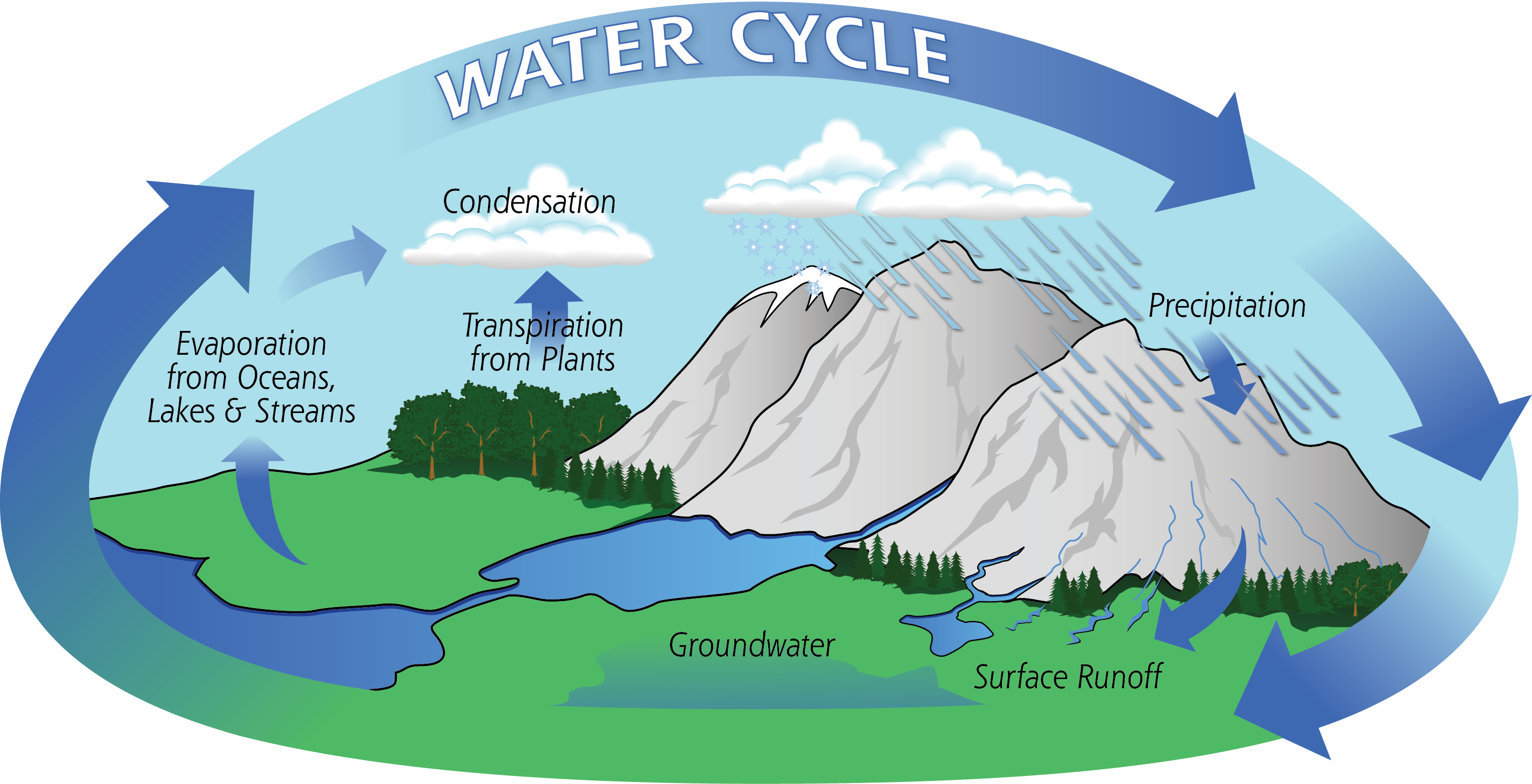
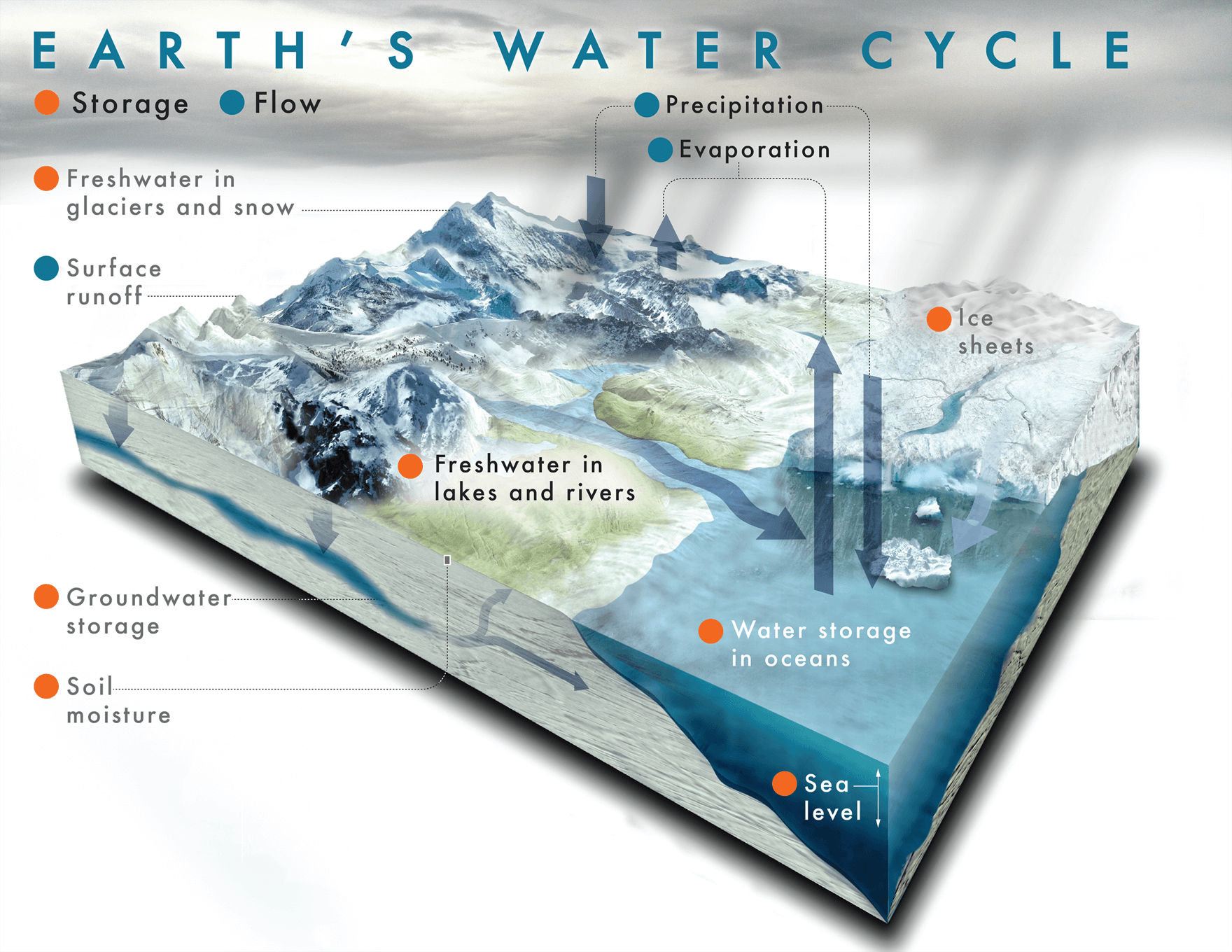
Image result for water cycle

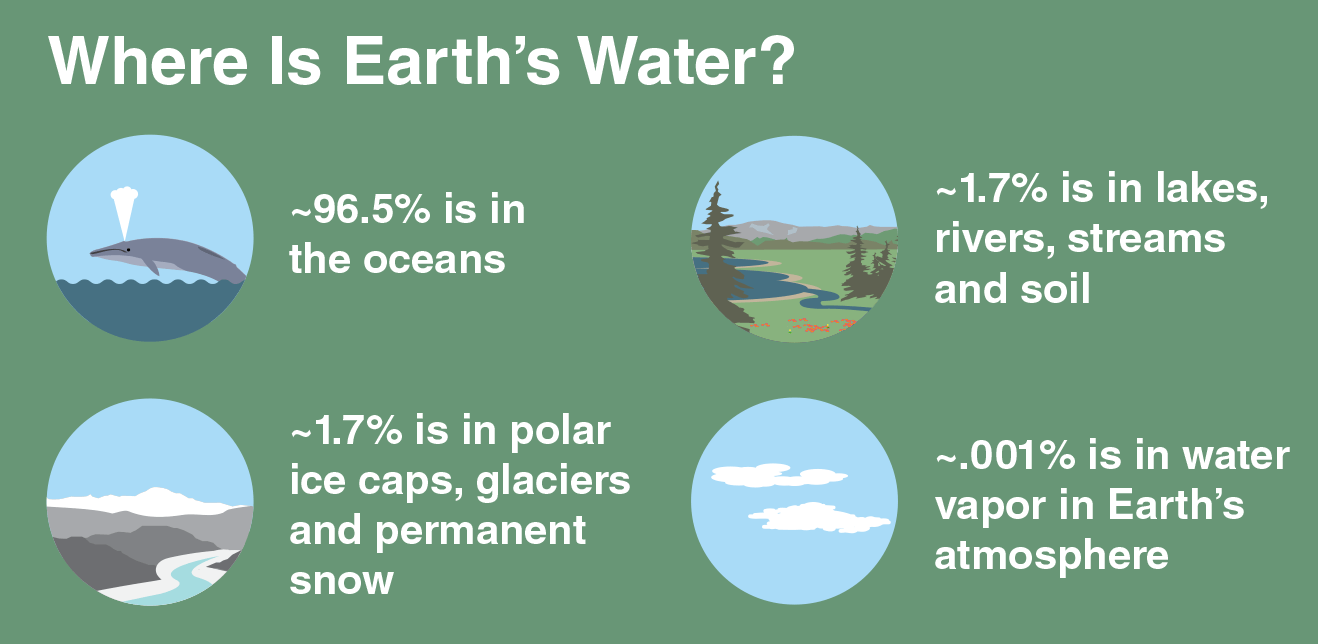
A green box with icons and white text. Text reads: Where is Earth's Water? 96.5 percent is in the oceans; 1.7 percent is in lakes, rivers, streams, and soil; 1.7 percent is in polar ice caps, glaciers, and permanent snow; 0.001 percent is in water vapor in Earth's atmosphere

Scientific words:


  • Evaporation. When water is heated by radiant energy it turns into water vapour.
  • Transpiration. Evaporation from plants.
  • Condensation. When water vapour cools, molecules join together and form clouds.
  • Precipitation. When clouds get heavy the waters falls as rain, sleet, hail, or snow.
  • Acidification: the action or process of making or becoming acidic.

We will be conducting an experiment that looks at the different ways that climate change is affecting the water cycle.An illustration of the water cycle showing how water travels from rivers and streams to clouds to snow and back again

THE WATER CYCLE EXPERIMENT

Bag 1: Normal Water cycle
Bag 2: Water cycle with CO2 added: like Oceans in climate change
Bag 3: Water cycle with ice added: like Antarctica in climate change

Material:

  1.  Plastic Bag.
  2.  Vivid Marker.
  3.  1 cup of water.
  4.  2 Drops of food colouring.

Steps:

  1.  Get a plastic bag.
  2.  Get a vivid
  3.  Draw the water cycle on the plastic bag.   


The Water Cycle: Bag 1
CO2 Water Cycle: Bag 2
Acid
Desert Water Cycle
Bag 3
Does it cycle?
yesyesyes
Amount of Water
222
Acidity
111

Other comments:

1. Water cycle 1 had no acidity
2. Water cycle bag 1-2-3 both have small amount of drips in them
3. Water cycle bag 1,3 have no acidity in them
4. Water cycle bag 1-2-3 all cycle 


Conclusion:

It was fun and I learned heaps


Draw a labelled diagram of the Water Cycle

Water cycle words:
  1. Precipitation
  2. Hurricanes
  3. Storms
  4. Evaporation
  5. Carbon Dioxide
  6. Water
  7. Oceans
  8. Water vapour
  9. Freshwater
  10. Flooding
SOLO Hexagons Activity

Water cycle words:
  1. Precipitation
  2. Hurricanes
  3. Storms
  4. Evaporation
  5. Carbon Dioxide
  6. Water
  7. Oceans
  8. Water vapour
  9. Freshwater
  10. Flooding


Wednesday, 26 June 2019

Charles worth Reserve

Charles worth Reserve

That to expect:

Charles worth Reserve’s habitat is a restoration of tidal wetland and surrounding coastal shrub land and forest. This is an important habitat for native wetland birds and will become increasingly important as a habitat for bush birds, lizards and native insects as the vegetation matures. 

Regular working bees:


Join Christchurch City Council and Avon Heath cote Estuary Itaipu Trust
(external link)
 every Sunday afternoon to help maintain Charles worth Reserve. Tasks depend on the season and weather but generally involve planting, pruning, watering and invasive weed removal. 


Community:

Join in the fun at Charles worth Reserve's annual planting day!
This year's annual event was held on 19 May and attended by 95 people. Trees for Canterbury
(external link)
 kindly donated 1600 seedlings which were all planted in an amazing effort. 

Want to help out at Charles worth? Head to a regular working bee or be the first to find out about upcoming events and register your interest.
What to bring:
  • Appropriate clothing for any weather: sunhat, warm jacket and raincoat
  • Sturdy footwear or gumboots
  • Personal work gloves
    • Tools, sunscreen and gloves are supplied.

Thursday, 20 June 2019

Skate Park

Skate Park. One day James went the the skate park for a competition. It was hard dropping up and down the half pipe. I had to do my best tricks to win. At the end of the day for the companion of the competition. It goes to James”ya lets go. James beat 30 people to get a trophy. The half pipe was 10 feet a lot of people kids few off their skateboard.

Thursday, 13 June 2019

Oil Polution

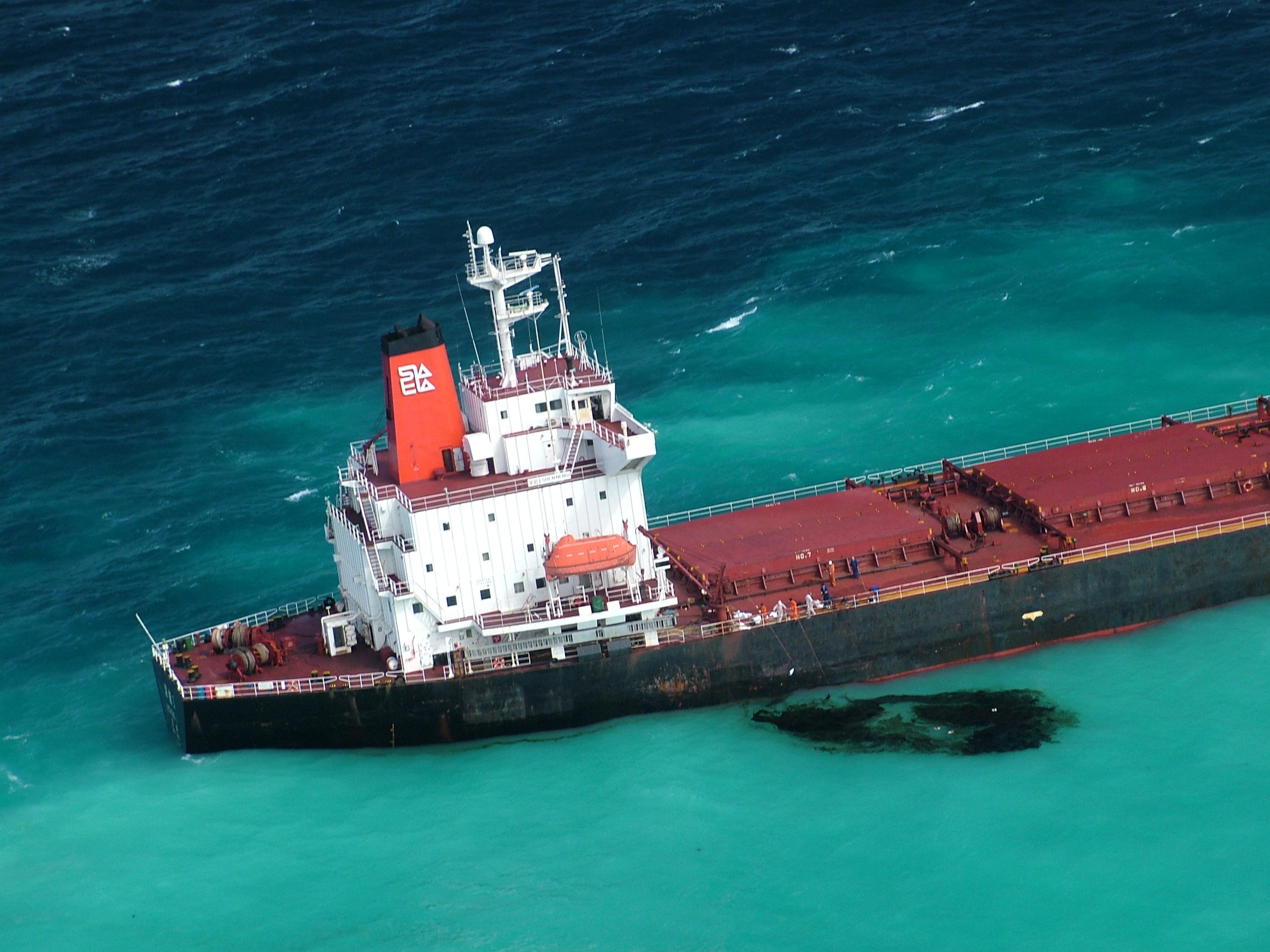
Oil is polluting our water from ship spillages and waste oil through sewage pipes 
Oil spills make up about 12% of the oil that enters the ocean. The rest come from shipping travel drains and dumping. An oil spill from a tanker is a severe problem because there is such a huge quantity of oil being spilt into one place. Oil spills cause a very localised problem but can be
strophic to local marine wildlife such as fish birds and sea otters. 
Oil cannot dissolve in water and forms a thick sludge in the water. This suffocates fish, gets caught in the feathers of marine birds stopping them from flying.


Image result for suffocating fishImage result for oil polluting water from shipsImage result for oil pollution in water

Thursday, 28 March 2019

Leaf Color Chromatography

Extension: Extension:

Title: 

Leaf Color Chromatography

Aim: Why leaves change colour autumn 

Materials:

Glasses
Isopropyl alcohol
filter paper
scissors
Leaves

Step 1- Cut the leaves into little bits in the cup. 

Step 2- Cover the leaves with Isopropyl alcohol.

Step 3- Grind up the isopropyl alcohol and leaves together. 

Step 4- Put all the cups with the leaves in a big glass blow with hot water for 30 mims.

Step 5- Cut the filter paper in lines and put three of the lines in the cups.

Step 6- Then the water changers colours in the cup